Can a Mini Home Declutter Help Me?

Clutter can sneak up on you—piles of mail, overflowing closets, or a garage you can’t park in. If a full-scale declutter feels overwhelming, a mini home declutter might be the perfect solution. Targeting small, manageable areas, this approach delivers quick wins, reduces stress, and boosts your home’s functionality without demanding days of effort. Here’s how a mini declutter can help, keeping your home from becoming overwhelmed, unmanageable, and stress-inducing.

Why a Mini Declutter Works

A mini declutter focuses on one specific area—like a single drawer, a countertop, or a corner of your living room. According to a 2023 UCLA study, clutter increases stress hormones, especially in small spaces. Tackling just one zone can create a sense of control, improve mental clarity, and make your home feel more spacious. For busy homeowners, it’s a low-time-commitment fix (think 1-2 hours) with instant results.

Benefits You’ll See

  • Improved Focus: A tidy desk or kitchen counter reduces distractions, boosting productivity.
  • Better Space Use: Clearing a closet shelf can reveal storage for fall sweaters or decor.
  • Stress Relief: A 2024 Psychology Today report links organized spaces to lower anxiety.
  • Sustainability: Sorting items for donation or recycling reduces landfill waste.

How to Start Your Mini Declutter

Pick a Small Target: Choose one area, like your junk drawer or entryway table. Avoid whole rooms to keep it doable.

Set a Timer: Dedicate 60-90 minutes. Short bursts prevent burnout.

Sort Ruthlessly: Use three bins—keep, donate, toss. Be honest: If you haven’t used it in a year, let it go.

Organize What Stays: Use dividers or baskets found in discount stores or even thrift stores to maintain order.

Dispose Responsibly: For toss items, especially bulky ones like broken gadgets, rent a small 10-yard Waste Removal USA dumpster for a weekend cleanup. Sort recyclables like paper or metal to minimize environmental impact, as advised by EPA guidelines.

When to Bring In Bigger Tools for Your Cleanup

For slightly larger mini declutters—like a garage corner or basement shelf—a dumpster simplifies disposal. A 10-yard dumpster, holding about three pickup truck loads, is ideal for small projects, per Waste Removal USA. Donate usable items to local stores and recycle electronics at local drop-offs. This keeps your declutter eco-friendly and your space clear while passing on items someone else may value.

Is It Right for You?

If you’re short on time, overwhelmed by clutter, or prepping for fall activities, a mini declutter is ideal. It’s less daunting than a full overhaul, delivers quick results, and sets you up for bigger projects. Consider scheduling regular mini cleanups throughout the season to maintain momentum and keep clutter at bay. Tackling one small space at a time—whether it’s a closet, bathroom shelf, or kitchen counter—makes the process manageable, and you’ll quickly notice how these incremental changes add up. As you progress, remember to celebrate small wins and enjoy the extra space, knowing you’re creating a healthier environment for yourself and your household. Start small, stay safe, and use sustainable disposal like a Waste Removal USA dumpster to keep it green. Your home—and mind—will thank you.

Cheap Houses for Sale in Mediterranean – Affordable Living in Turkey and Northern Cyprus

The Mediterranean region has always been a dream destination for property buyers worldwide. Known for its warm climate, turquoise waters, delicious cuisine, and relaxed lifestyle, it is no surprise that the demand for homes here is constantly growing. While luxury villas often grab attention, there are also plenty of cheap houses for sale in Mediterranean destinations such as Turkey and Northern Cyprus. These properties make it possible for families, retirees, and investors to enjoy a Mediterranean lifestyle without spending a fortune.

Why Choose the Mediterranean for Affordable Homes?

The Mediterranean is not only about high-end resorts and luxury villas. Many parts of Turkey and Northern Cyprus offer affordable housing opportunities that combine comfort, location, and investment value. Buyers are especially attracted to the region because of:

  • Year-round Sunshine – Over 300 days of sun annually.

  • Healthy Lifestyle – Fresh food, outdoor living, and a slower pace of life.

  • Strong Tourism Market – Great potential for short-term rentals.

  • Affordable Prices – Compared to Spain, France, or Italy, prices in Turkey and Northern Cyprus are far lower.

  • Easy Access – International airports and ferry connections make the region accessible.


Cheap Houses for Sale in Turkey

Turkey’s Mediterranean coastline stretches from Antalya to Mersin and is filled with vibrant towns, historic cities, and seaside villages. Some of the most popular areas to find cheap houses in Turkey include:

Antalya

Known as the tourism capital of Turkey, Antalya offers a wide range of affordable apartments and houses. Popular districts such as Kepez and Konyaaltı provide budget-friendly options with easy access to beaches, shopping, and schools.

Alanya

Alanya is famous for its sandy beaches, lively nightlife, and international community. Apartments in Mahmutlar or Oba can be surprisingly affordable, making it a hotspot for foreign buyers.

Mersin

Mersin is emerging as one of Turkey’s most affordable Mediterranean cities. Here, cheap houses for sale in Mediterranean Turkey are abundant, especially in Mezitli and Erdemli districts. The area is ideal for families looking for spacious homes at low prices.

Fethiye

While Fethiye is popular for luxury villas, budget-friendly houses can also be found in surrounding villages such as Seydikemer. These properties offer a peaceful lifestyle surrounded by nature.

Cheap Houses for Sale in Northern Cyprus

Northern Cyprus, located in the eastern Mediterranean, is another excellent destination for budget-friendly real estate. Known for its unspoiled beaches, warm hospitality, and affordable property market, it has become a rising star for international buyers.

Kyrenia (Girne)

While luxury villas are common, Kyrenia also offers affordable houses in areas like Alsancak and Lapta. Buyers can find cozy homes close to schools, markets, and the seaside.

Famagusta (Gazimağusa)

This university town is popular among students and young professionals. Apartments and houses here are often more affordable compared to Kyrenia, making it an excellent choice for rental investment.

Iskele

Iskele has been highlighted by Forbes as one of the best beachfront investment locations. Here, investors can find cheap houses for sale in Mediterranean Northern Cyprus, often within walking distance to sandy beaches.

Investment Opportunities in Affordable Mediterranean Homes

Buying a budget-friendly house in the Mediterranean region is not only a lifestyle choice but also a smart investment. Here’s why:

  • Rental Potential – Affordable homes attract both long-term tenants and holiday renters.

  • Capital Growth – As demand grows, even cheap properties can appreciate significantly in value.

  • Low Entry Prices – Starting prices for apartments in Turkey or Northern Cyprus are often below €50,000.

  • Foreign Buyer Incentives – In Turkey, property purchase can support residency permits; in Northern Cyprus, ownership simplifies residency applications.


What to Expect from Cheap Houses in the Mediterranean

Affordable houses in Turkey and Northern Cyprus vary widely in style and location. Buyers can expect:

  • 1–2 bedroom apartments in city centers.

  • Small houses in suburban or village locations.

  • Modern residential complexes with shared pools and gardens.

  • Homes within walking distance to the beach or city amenities.


While prices are lower, many properties still come with quality construction and modern facilities.

Buying Process for Foreigners

Foreign buyers can purchase properties in both Turkey and Northern Cyprus with relative ease. The process usually includes:

  1. Selecting the Property – With the help of a reliable real estate agency.

  2. Reservation & Contract – A small deposit secures the home.

  3. Legal Check & Title Deed Transfer – Ensures safe and secure ownership.

  4. Residency Application – Property ownership simplifies the process.


Future Growth and Market Trends

The demand for cheap houses for sale in Mediterranean regions like Turkey and Northern Cyprus is expected to rise. With growing tourism, foreign investment, and infrastructure projects, affordable homes purchased today may increase significantly in value over the next decade.

Conclusion – Affordable Mediterranean Living is Within Reach

For those dreaming of a home under the Mediterranean sun, opportunities are not limited to luxury villas. Turkey and Northern Cyprus offer plenty of cheap houses for sale in Mediterranean locations that combine affordability, comfort, and lifestyle.

Whether you are seeking a retirement retreat, a holiday getaway, or a smart investment, these properties allow you to enjoy the beauty of the Mediterranean without breaking the bank.

Affordable and Breathable: The Rise of Ventilated Homes in Hot Climates

If you’ve ever tried to sleep through a hot summer night in a poorly ventilated home, you know the struggle. The air gets stuffy, fans only circulate warm air, and turning on the AC all day sends your electricity bill through the roof. It’s not just uncomfortable—it’s unsustainable.

But here’s the good news: there’s a growing movement toward smarter, more breathable homes that stay cool naturally. And no, we’re not talking about futuristic pods or high-tech gadgetry. We’re talking about old-school ideas with a modern twist—like dogtrot homes—making a strong comeback, especially in hot climates.

In this article, we’ll explore the trend of ventilated homes, how they help people save money, and what to keep in mind if you’re considering one. We’ll also touch on legal considerations—because not all land is as simple as it seems.

Let’s dive in.


The Hot Climate Housing Dilemma

Climate change is turning up the heat, literally. Across the globe, cities that once enjoyed mild summers now face long periods of scorching temperatures. For homeowners and renters, that means:

  • Rising cooling costs
  • Increased strain on electrical grids
  • Greater carbon footprints
  • Health risks, especially for the elderly

Traditional housing structures in many regions just aren’t designed to handle this. Large windows facing the sun, poor insulation, and zero airflow can turn a home into a sauna by midday.

So what’s the solution?


Back to Basics: The Rise of Passive Cooling Design

Rather than relying solely on air conditioning, more architects and homeowners are looking at passive cooling design. It’s not a new idea. In fact, some of the best ventilated homes were built before electricity was even a thing.

One standout example is the dogtrot home—a simple, brilliant design that originated in the American South.

Related Read: From Saddlebag to Modern Dogtrot Homes: The Future of Ventilated Living Spaces


What Is a Dogtrot Home?

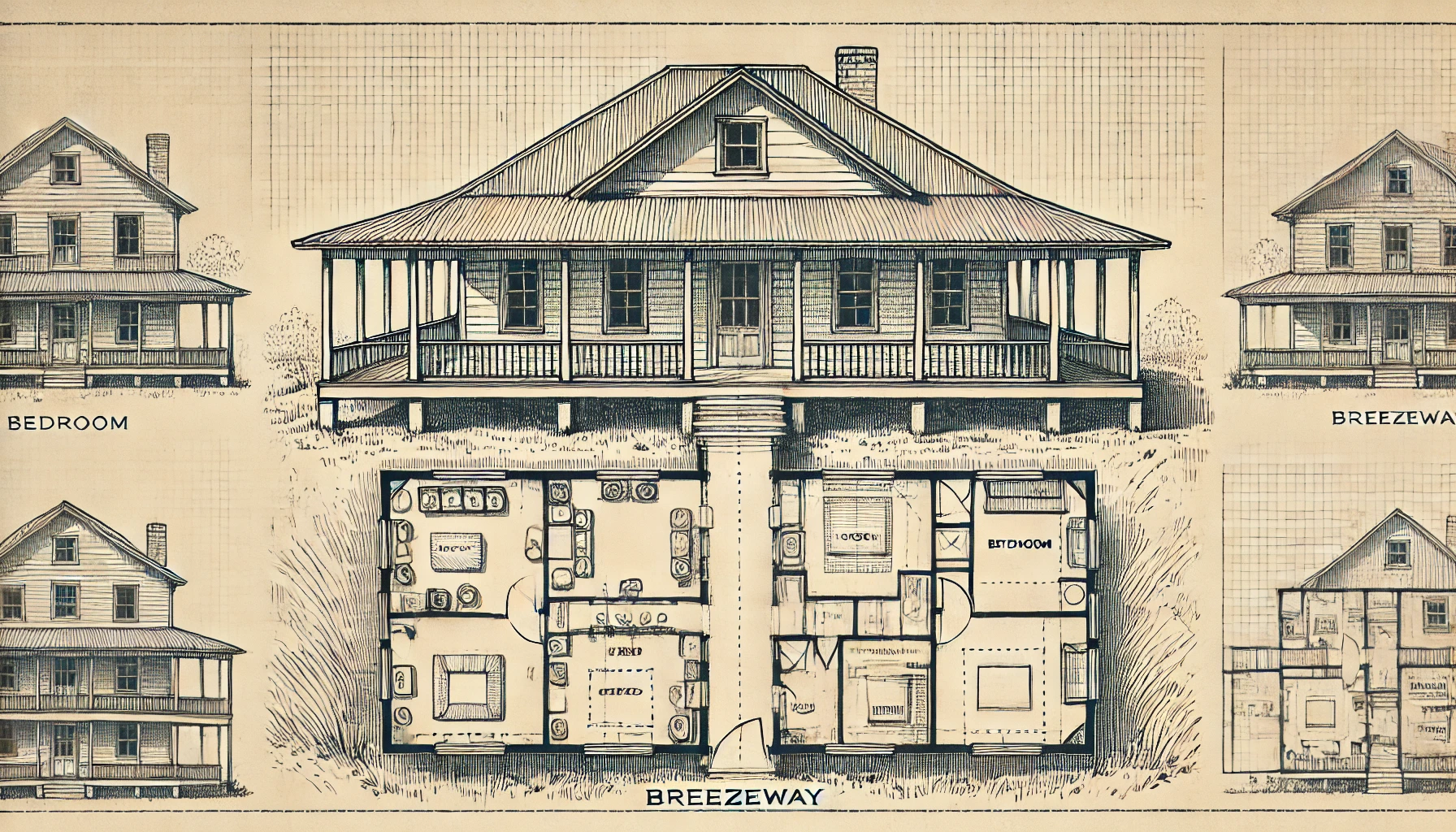
A dogtrot house, sometimes called a breezeway house, typically has two enclosed living areas connected by a central open-air corridor. This “dogtrot” allows air to flow freely through the center of the home, naturally cooling it down.

The genius of this design lies in its simplicity:

  • Natural ventilation: The breezeway encourages airflow, reducing indoor temperatures.
  • Zoned living: Separate areas for sleeping and cooking help control heat buildup.
  • Outdoor-indoor balance: You stay connected to nature while staying cool.

Modern dogtrot homes update this concept with better insulation, shaded verandas, and solar orientation. But the heart of the idea remains the same—let the air move!


Other Types of Ventilated Homes

While dogtrot homes are getting the spotlight, they’re not the only option out there. Here are a few other passive cooling designs gaining attention:

Home StyleKey FeatureBest For ClimateVentilation Strategy
Courtyard HomesCentral open space with surrounding roomsMediterranean, desertChimney effect & cross-breeze
Shotgun HousesLong narrow layout, front-to-back airflowSouthern U.S., CaribbeanFront-back ventilation path
Stilt HousesElevated structure with airflow beneathTropical, flood-prone areasUnder-floor ventilation
Earthbag HomesNatural thermal mass, curved designArid or semi-arid zonesThick walls regulate heat/cool
Tropical BungalowsWide overhangs, large windows, open planSoutheast Asia, equator zonesPassive airflow + shading

These designs prove that cool living doesn’t require deep pockets—just smart planning.


Why This Matters for Affordable Housing

Let’s face it: air conditioning is expensive. In some regions, energy bills can eat up a huge chunk of a household’s income. For low-income families or off-grid living enthusiasts, traditional cooling methods just aren’t sustainable.

Ventilated homes offer a compelling solution.

Here’s why:

  • Lower construction costs: Many passive homes use local materials and simple layouts.
  • Reduced energy bills: No need for constant AC use.
  • Healthier indoor air: Fresh airflow reduces mold and heat-related illness.
  • Environmentally friendly: Smaller carbon footprint means you’re helping the planet, too.

In a world where affordable housing is becoming harder to find, these smart homes could be a game-changer.


Real-World Challenges: It’s Not Always That Simple

Of course, no real estate conversation is complete without talking about land. You can have the perfect house design, but if the land comes with strings attached, things can get tricky fast.

👀 Related Read: Navigating the Complex World of Property Disputes

From title issues to neighbor boundary disagreements, property disputes can delay or even derail construction projects. For example, in some rural areas where ventilated homes would be ideal, it’s not uncommon to find:

  • Unclear land titles
  • Zoning restrictions
  • Old right-of-way issues
  • Heritage site regulations

That’s why it’s essential to research both the house style and the land’s legal history before investing in a breathable, affordable dream home.


Key Tips for Buying or Building a Ventilated Home

If this type of home has you intrigued (and it should!), here are some practical tips to get you started:

🔍 Before You Buy:

  • Check the zoning laws in your area. Some might limit non-standard designs.
  • Ask about wind direction and sun exposure on the plot.
  • Investigate for previous land disputes—look at the title history.
  • Confirm if there are any building code restrictions on open-air elements.

🛠️ If You’re Building:

  • Hire an architect familiar with passive design.
  • Use local materials where possible—saves money and blends with the environment.
  • Don’t skip on insulation, even if airflow is great. It’s all about balance.
  • Think about shading: trees, verandas, and overhangs can drastically reduce heat.

Who’s Buying These Homes?

It’s not just off-grid enthusiasts or eco-warriors. Ventilated homes are attracting attention from:

  • Retirees looking to downsize without sacrificing comfort
  • First-time buyers priced out of traditional markets
  • Expats settling in hotter regions like Portugal, Spain, or Southeast Asia
  • Real estate investors looking for unique rental or Airbnb properties

People are realizing that a home doesn’t have to be high-tech to be high-comfort.


The Future of Ventilated Homes

We’re seeing an exciting shift in real estate. Instead of maxing out budgets on granite countertops and high-end HVAC systems, more buyers care about livability, sustainability, and long-term comfort.

Architects are responding with hybrid models: smart homes that still embrace age-old airflow principles. Urban planners are also rethinking housing layouts to encourage natural ventilation in apartment blocks and community living.

It’s a trend that’s here to stay—and not just in tropical zones.


Final Thoughts

Affordable, breathable, and beautiful—ventilated homes are redefining what it means to live well in a warming world. Whether you’re buying, building, or just daydreaming, it’s worth exploring how simple design choices can keep you cool without burning through your savings.

Just remember: do your homework on the land, the laws, and the layout. A smart home starts with smart planning.

Navigating the Complex World of Property Disputes

Real estate conflicts can be incredibly challenging and stressful, often involving intricate legal nuances and significant emotional investment. Disagreements over property ownership or usage can arise for various reasons, including boundary issues, landlord-tenant conflicts, or disputes with neighbours. These conflicts can escalate quickly, leading to costly legal battles if not managed effectively. Understanding the complexities of property conflicts is essential to protect your interests and confidently navigate these situations.

Common Types of Property Conflicts

Property conflicts encompass a range of issues that can arise between parties with interests in the same property. Common types include boundary disputes, which occur when there is disagreement about the location of the legal boundary between two properties. Landlord-tenant disputes frequently involve conflicts over lease terms, property maintenance, or eviction processes. Moreover, disputes with neighbours over noise, encroachments, or other property-related issues can also arise.

Addressing these disputes promptly is crucial to prevent them from escalating into more significant problems. Engaging a professional from Property Disputes can provide valuable insights and help mediate a resolution before resorting to litigation. Ownership disputes require a nuanced understanding of property law and effective negotiation skills to reach a satisfactory outcome.

Steps to Resolve Ownership Disputes

Resolving land disputes requires a strategic approach that balances legal action and negotiation. Initially, parties should attempt to resolve the issue amicably through open communication and negotiation. Mediation or arbitration could be pursued as alternative dispute resolution methods if these efforts fail. These processes can offer quicker and less adversarial resolutions compared to court proceedings.

Should these methods prove unsuccessful, legal action may be necessary. Engaging a solicitor with expertise in property conflicts is essential to navigate the legal system effectively and safeguard one’s rights. Understanding the process and potential outcomes can significantly impact conflict resolution, minimising stress, and financial strain.

Navigating Legal Complexities

UK title disputes can be complex, especially for those unfamiliar with the laws. Understanding the legal framework around property ownership and rights is essential. Seeking advice from property law specialists helps clarify rights and responsibilities while guiding effective resolution strategies.

Key to managing disputes is the ability to recognise when professional legal assistance is necessary. Solicitors can offer guidance on the merits of a case, potential outcomes, and the best course of action to achieve a favourable resolution. Being informed and proactive in addressing legal complexities can prevent prolonged disputes and reduce associated costs.

Protecting Your Property Rights

Ensuring the protection of your property rights involves more than just addressing disputes as they arise. Preventative measures, such as maintaining accurate property records and understanding one’s rights and obligations, are crucial. Regular communication with neighbours and tenants can also help prevent misunderstandings and conflicts.

When disputes cannot be avoided, a thorough understanding of the legal framework and potential remedies is essential. This includes knowing when to seek legal advice and the steps required to enforce your property rights. Being equipped with the right knowledge and resources ensures you are prepared to defend your interests effectively.

Understanding the complexities of title disputes and how to approach them strategically, you can navigate these challenging situations more easily. Remember, professional advice is always available to assist in safeguarding your property rights and achieving a resolution that aligns with your interests.

From Saddlebag to Modern Dogtrot Homes: The Future of Ventilated Living Spaces

Dogtrot houses, a once-common architectural style in the American South, are experiencing a resurgence in modern home design. Traditionally, these homes featured a central breezeway, or “dogtrot,” that separated two enclosed living spaces while providing natural ventilation and shade. This architectural approach was particularly suited to warm and humid climates, where maximizing airflow reduced reliance on artificial cooling methods.

Today, architects and designers are reinterpreting the dogtrot concept with contemporary materials, sustainable features, and new functionalities that align with modern living. One of the most significant advantages of dogtrot homes, aside from their environmental benefits, is their hygienic potential. The natural ventilation of these homes offers a practical design feature for those considering quarantine-friendly housing solutions.

A Brief History of Dogtrot Homes

The dogtrot home emerged in the early 19th century as a practical response to the heat and humidity of the southeastern United States. The design typically consisted of two log cabins or rooms joined by a covered, open-air passage. This central breezeway allowed air to circulate freely, keeping interiors cool even in extreme temperatures. The term “dogtrot” is believed to have originated from the observation that dogs would often trot through the open breezeway to escape the sun. (Tennessee Encyclopedia)

One notable variation of this style is the saddlebag house, which evolved by enclosing the breezeway into a continuous living space while still maintaining some of the original airflow principles.

The Revival of Dogtrot Design in Modern Homes

In recent years, architects have revisited dogtrot homes, modernizing the concept with cutting-edge materials and sustainable innovations. These homes now incorporate features such as:

  • Advanced Insulation Materials: SIPs (Structural Insulated Panels) and eco-friendly insulation improve energy efficiency while maintaining the home’s open structure.
  • Sustainable Building Materials: Reclaimed wood, steel, and glass reduce environmental impact while preserving the home’s aesthetic appeal.
  • Enhanced Airflow Solutions: Large retractable glass doors, adjustable louvers, and ceiling fans optimize natural ventilation.
  • Smart Home Technology: Automated window shades, humidity sensors, and energy-efficient HVAC systems complement the traditional passive cooling system of dogtrot homes.

By integrating modern materials, these homes maintain their historical charm while adapting to contemporary needs.

Hygienic Benefits of the Dogtrot Design

One of the most overlooked yet essential aspects of dogtrot architecture is its potential for hygienic and health-conscious living. The separation of living spaces by a breezeway provides a unique advantage in situations where occupants need to isolate due to illness, allergies, or other health concerns.

Dogtrot Homes
Dogtrot Homes

1. Natural Air Circulation Reduces Stale Air

Traditional homes often trap pollutants, allergens, and stale air within enclosed spaces. Dogtrot houses, by design, facilitate continuous airflow, reducing the accumulation of indoor pollutants, dust, and mold. The cross-ventilation effect helps flush out airborne pathogens, making the home healthier for its residents.

2. Ideal Quarantine-Friendly Housing

During the COVID-19 pandemic, many homeowners and architects began to reconsider housing layouts that could accommodate self-isolation more effectively. A dogtrot home naturally separates living quarters while maintaining an open, airy atmosphere. If a family member falls ill, one side of the house can be designated as a quarantine zone, limiting contact while ensuring ample fresh air supply.

3. Reduction of Odors and Airborne Contaminants

Households often face issues with lingering odors from cooking, pets, or chemicals used in cleaning products. The open design of a dogtrot house mitigates this problem by allowing constant air exchange. This airflow helps disperse odors more effectively than in closed-concept homes, keeping the indoor environment fresher and more comfortable.

Energy Efficiency and Sustainability

Dogtrot architecture is inherently eco-friendly, reducing reliance on air conditioning while maximizing natural climate control. Below are some of the key sustainability benefits:

1. Lower Energy Consumption

By optimizing passive cooling, dogtrot houses significantly cut down on energy usage. Homes in warmer climates, where air conditioning is a major expense, benefit greatly from this natural cooling method.

2. Use of Recyclable and Locally-Sourced Materials

Many modern dogtrot houses are built using sustainable resources such as reclaimed wood, bamboo, and metal. Not only does this minimize environmental impact, but it also reduces transportation costs associated with imported materials.

3. Integration with Solar Power

The layout of dogtrot homes provides excellent opportunities for solar panel installation. With large roof spaces and open courtyards, homeowners can easily incorporate renewable energy sources to further reduce their carbon footprint.

Contemporary Examples of Dogtrot Homes

Several architects have successfully modernized the dogtrot concept, showcasing its adaptability for 21st-century living. Here are some notable projects:

Project NameLocationKey Features
Hog Pen Creek ResidenceAustin, TXBreezeway with retractable doors, energy-efficient design
Whidbey Dogtrot HouseWhidbey Island, WASustainable materials, passive cooling strategy
Dogtrot Mod CabinRural KentuckyMinimalist approach, solar-powered, modern insulation

Conclusion

The dogtrot house exemplifies how traditional design can be reimagined for contemporary needs. By integrating modern materials, smart home technology, and sustainable practices, architects are reviving this historic form in innovative ways. Beyond its energy efficiency and aesthetic appeal, the dogtrot design stands out for its hygienic advantages, providing a naturally ventilated, healthier living space that supports well-being and adaptability.

References

The Road to Homeownership: Key Insights for Buyers

Buying your first home is a major step in your life. It represents your ability to earn enough money to house you and your family and provide them with a stable living situation. At issue is the fact that you have to put in a lot of effort to get a mortgage for buying a home. Lenders want to make sure that you represent a reasonable amount of risk, and banking laws require a lot of proof that you’re capable of repaying the mortgage.

To meet the requirements, you have to be prepared to meet the challenges that come with buying real estate. Being prepared for the following aspects of getting a mortgage serves to make the process move more smoothly, and gets you to the closing with the least amount of friction.

Build Up Your Down Payment Fund

Traditionally, buyers put down 20% on a home, but this isn’t a hard and fast rule. It’s possible to buy a home with a smaller down payment, although there will be terms and conditions that burden the mortgage. You’re best served by building up a down payment fund for as long as you can prior to looking for a home.

Putting a larger down payment on a home benefits you in the long run as you can qualify more easily for a traditional loan. Banks want to get repaid, and they’ll put conditions, fees, and terms on a mortgage with a lower down payment. Oftentimes, these costs are added to the mortgage, which makes your monthly payment higher, and also makes the loan more costly over time. It’s better to start a mortgage with as few costs as possible in order to save money now and later.

Pay Down Your Debt

Ideally, your mortgage should take about a third of your income for repayment, with the remainder used for various types of bills and debt service. Lenders don’t necessarily disqualify you for having some debt, but they’re less likely to approve you if you have too much outstanding debt. In order to improve your ability to qualify, you need to focus on paying down your debt to reasonable levels.

It can be a bit of a struggle to save for your down payment while paying down your loans, but it’s possible with fiscal discipline. Watch your spending, find ways to save money on daily needs, and find extra income if possible. Taking these actions can feel daunting when you start, but it does get easier over time, and you’ll eventually retire your debt for good.

Determine How Much You Can Afford

Buying a home means you’re taking on a monthly payment that you’ll be making for the next 30 years. That’s why it’s important to buy a home you can comfortably afford, even in times of economic uncertainty. Resist the urge to get the most house that you can afford with your current income, and focus on buying a home with a reasonable monthly payment instead.

Knowing how much you can comfortably pay every month makes the difference between being able to pay your mortgage when times are tight. Set your sights on a payment that won’t cause stress, and don’t take on more than you should. This helps you keep your home when you’re in between jobs because you’re not struggling to pay the mortgage.

Get Pre-Qualified

Getting pre-qualified makes it easier for you to buy the home of your dreams. It shows the seller that the bank will fund you for the agreed-upon amount, and the closing process will proceed as expected. It also saves time and effort because the most important part of the lending process, including verifying financial details like tax documents, has been initiated prior to making an offer. The seller can enter into the contract knowing that they’ll be able to close quickly, get a satisfactory price for their home, and move on to the next part of their journey sooner.

It’s worth noting that a pre-qualification letter is only good for some time, typically 60 to 90 days. In order to get the benefit of being pre-qualified, you have to create a plan of action to achieve your goal of buying a home. Ideally, you’ll have identified multiple homes that are in your price range before getting pre-qualified. After you get approved, you can approach the sellers of the homes you identified, show them your pre-qualification, and make an offer.

Have an Idea of the Location and Type of Home You Want to Own

Buying a home means putting down roots in a neighborhood for a long time. You need to make sure that the house you buy is located in an area that meets your needs. Other considerations include school quality, distance from your job, and proximity to the amenities that are important to you. Once you’ve answered these questions, you need to consider the type of home that meets your living needs.

Homes come in a variety of designs, styles, and sizes that are intended to suit different lifestyles. Some people like a home with a basement that’s got space for a workshop, while others want a single-story home so they don’t have to deal with stairs. Taking the time to identify the ideal location and style of home saves you time, effort, and is more likely to deliver satisfaction.

Check the Climate Risk Level for Adverse Weather Events

This is something that homeowners have only begun to consider as part of buying a home, and was almost nonexistent in the past. Now, changes in weather patterns and the fact that homes are built in areas that are prone to weather-related disasters are adding to the need to check for climate risk. The major reason for doing a climate risk check comes down to homeowners insurance and the fact that flood insurance is only offered by the federal government.

Buying a home is the biggest purchase you’ll make in your lifetime. It’s important to understand the climate risks associated with the area you want to live in, and how that can affect your insurance premiums. Many regions of the U.S. are facing difficulty with getting homeowners’ insurance due to natural disasters that were once an afterthought. You can make a better decision about where to live when you understand the climate risk data before buying.

Being a Savvy Home Buyer Lets You Get the Home of Your Dreams

These insights help you prepare for the home-buying process, and make it easier to anticipate what you need at each stage of the process. Ultimately, it’s always best to talk with the professionals who handle the mortgage process before you find a home to buy. They can look over your specific issues, help you resolve them, and walk you through the process of getting you into your new home.

Megan Isola

Megan Isola holds a Bachelor of Science in Hospitality and a minor in Business Marketing from Cal State University Chico. She enjoys going to concerts, trying new restaurants, and hanging out with friends. 

How Architect and Design Trends Are Evolving in Residential Architecture

The field of residential architecture is undergoing a profound transformation. As societal needs, technological advancements, and environmental considerations continue to evolve, so too do the design trends that shape our homes. In this article, we will explore the key trends that are revolutionizing architect and design, illustrating how these innovations are shaping the homes of tomorrow.

Sustainability: A Central Pillar of Modern Design

One of the most significant changes in residential architecture over the past few years has been the increasing emphasis on sustainability. Homebuyers and designers alike are becoming more conscious of their environmental footprint, and this is reflected in the design of homes.

Green Building Materials

Homeowners are increasingly opting for eco-friendly materials that not only reduce the carbon footprint but also enhance the longevity and energy efficiency of a home. Materials like bamboo flooring, recycled steel, and low-VOC (volatile organic compounds) paints are gaining traction in residential construction. These materials help create healthier living environments while reducing the environmental impact.

Energy Efficiency & Renewable Energy Integration

Energy-efficient homes are no longer a luxury; they have become a necessity. The integration of solar panels, geothermal heating, and passive house techniques has become commonplace. Homes are being designed to optimize natural light, improve insulation, and reduce energy consumption. These eco-conscious designs not only lower utility bills but also contribute to a greener planet.

Technological Advancements: Smart Homes and Automation

Technology is another area where residential architecture is rapidly evolving. The concept of a “smart home” is no longer just a futuristic idea—it’s becoming an integral part of residential living.

Home Automation

From controlling the thermostat to adjusting lighting and security systems, homeowners can now manage nearly every aspect of their home through a smartphone app. Voice-controlled assistants like Amazon Alexa or Google Assistant are making it easier than ever to automate home functions, providing added convenience and efficiency.

Smart Kitchens and Bathrooms

Kitchen and bathroom design have also benefited from smart technology. In the kitchen, appliances like smart refrigerators, ovens, and dishwashers can be controlled remotely, allowing homeowners to monitor their food, manage inventory, and reduce waste. In bathrooms, features like smart mirrors, touchless faucets, and high-tech showers are elevating the level of luxury and convenience in home design.

Open Floor Plans: The Evolving Concept of Space

While open floor plans have been a dominant trend in residential architecture for the past two decades, they continue to evolve. The focus is now on creating adaptable, flexible spaces that can serve multiple functions.

Multi-Functional Spaces

Gone are the days when rooms had rigid purposes. Modern homes are designed with flexibility in mind, allowing spaces to evolve depending on the needs of the homeowner. For instance, living rooms might double as home offices or gyms. Kitchens are merging with dining rooms, creating larger, more social spaces for families to gather.

Blending Indoor and Outdoor Living

As people continue to spend more time at home, the desire to seamlessly blend indoor and outdoor spaces is growing. Large sliding glass doors, expansive patios, and outdoor kitchens are becoming standard in many new residential designs. This trend helps homeowners feel more connected to nature and provides additional living space, which is particularly valuable in smaller homes.

Minimalism and Clean Lines: A Focus on Functionality

The minimalist movement continues to influence residential architecture, with an emphasis on clean lines, open spaces, and functional design. This trend is more than just an aesthetic; it reflects a shift towards simplicity and efficiency in everyday living.

Simplified Designs with High-Quality Materials

Rather than focusing on ornate detailing, contemporary homes are embracing sleek, understated designs that prioritize high-quality materials. Natural wood, stone, and glass are often used to create simple yet striking interiors. This approach not only enhances the visual appeal of the home but also supports sustainability by incorporating durable, long-lasting materials.

Less Is More: Streamlined Interiors

Interior design in residential architecture is also shifting toward simplicity. Homeowners are opting for fewer, more meaningful possessions, and this is reflected in the design of their living spaces. Clutter-free environments, built-in storage solutions, and multi-purpose furniture are becoming integral elements of modern home design.

Wellness and Biophilic Design: Prioritizing Mental and Physical Health

In recent years, there has been a growing recognition of the connection between architecture and well-being. Biophilic design, which integrates natural elements into the built environment, is gaining popularity as homeowners seek to create spaces that promote mental and physical health.

Natural Light and Air Quality

The importance of natural light cannot be overstated. Large windows, skylights, and open floor plans are designed to maximize the amount of daylight that enters a home. Furthermore, homes are incorporating advanced ventilation systems that improve indoor air quality, ensuring that residents are breathing clean, fresh air.

Indoor Gardens and Green Spaces

Biophilic design also encourages the inclusion of plants and green spaces within the home. Indoor gardens, green walls, and plant-filled living areas are being integrated into residential designs, providing both aesthetic beauty and health benefits. These elements help reduce stress, improve air quality, and create a sense of calm.

The Future of Residential Architecture

As architectural and design trends evolve, residential homes are becoming more sustainable, technologically advanced, and attuned to the needs of the modern homeowner. From energy-efficient materials and home automation to the integration of wellness principles and biophilic design, these trends are transforming the way we live.

Looking ahead, it’s clear that residential architecture will continue to evolve in response to societal shifts, technological advancements, and a growing commitment to sustainability. Homes will become smarter, more adaptable, and increasingly aligned with the health and well-being of their inhabitants. As these trends continue to gain traction, the future of residential architecture promises to be more innovative, sustainable, and thoughtful than ever before.


The Complete Guide to Selecting the Perfect Roof for Your Home

Choosing the right roof for your home is more than just a construction decision—it’s about aesthetics, functionality, and long-term value. The roof not only protects your home from the elements but also plays a significant role in defining its overall appearance and efficiency. Whether you’re building a new home or considering a mckinney roof replacement, this guide will help you understand the key aspects of selecting the perfect roof for your home.

Understanding Roofing Materials

Roofing materials are the foundation of your choice. Each option has unique advantages in terms of cost, durability, and appearance. Here’s a breakdown:

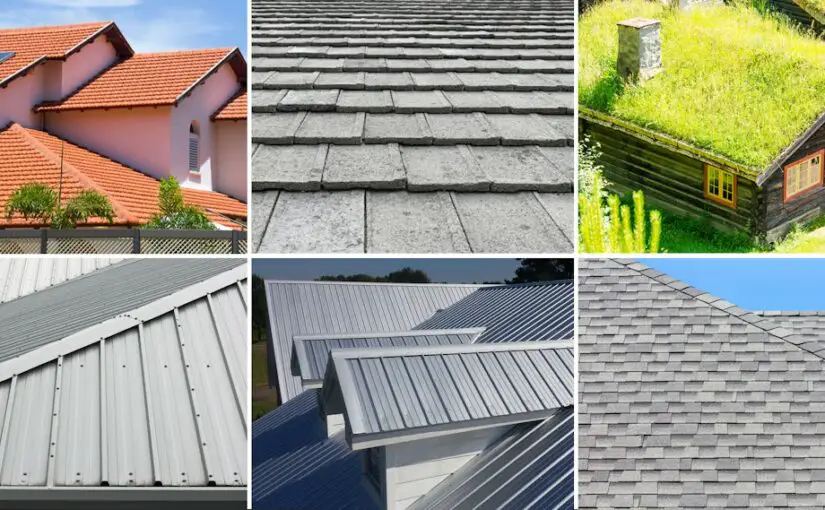
  • Asphalt Shingles: Widely used due to their affordability and adaptability. These shingles are lightweight, available in many colors, and are easy to install. They’re ideal for most climates, although their lifespan (20–30 years) is shorter compared to premium materials.
  • Metal Roofing: A long-lasting option that offers excellent fire resistance. Metal roofs are eco-friendly, as they can be made from recycled materials and are fully recyclable at the end of their life. They can reflect heat, making them energy-efficient for hot climates.
  • Clay and Concrete Tiles: These are heavier but provide exceptional durability and weather resistance. They work well in warm climates, especially for Mediterranean or Spanish-style homes.
  • Slate Roofing: Known for its timeless beauty, slate is a natural material that can last over 100 years. Its weight and cost make it suitable for high-budget projects or homes designed to support its load.
  • Wood Shingles and Shakes: These offer a rustic, natural look. Cedar is a common choice for its resistance to insects and decay. However, wood roofs require regular maintenance to prevent mold and fire risks.
  • Synthetic Roofing: Made from rubber, plastic, or polymer, synthetic options mimic the look of traditional materials like slate or wood while being more affordable and lightweight.

Considering Roofing Styles

Roofing style affects your home’s curb appeal and practicality. Common styles include:

  • Gable Roofs: Simple and elegant, they’re perfect for efficient water drainage and easy construction.
  • Hip Roofs: Slopes on all sides make them stable and wind-resistant, ideal for hurricane-prone regions.
  • Flat Roofs: With a minimal slope, they create a modern look and can be used for rooftop gardens or solar panel installations.
  • Mansard Roofs: These feature a French-inspired design with extra attic space, making them both stylish and functional.
  • Skillion Roofs: These single-slope roofs are often used in modern architecture and are excellent for rainwater collection.

Energy Efficiency and Insulation

Energy-efficient roofs can save homeowners significant money on heating and cooling. Here’s how:

  • Reflective Materials: Metal roofs or cool roofing systems deflect sunlight, reducing heat absorption.
  • Insulation: Proper insulation keeps warm air inside during winter and cool air inside during summer.
  • Green Roofs: Plant-covered roofs offer natural insulation, reduce urban heat, and improve air quality.

Choosing the right combination of materials and insulation can make your home more eco-friendly and comfortable.

Durability and Maintenance

When selecting a roof, consider how long it will last and how much upkeep it requires:

  • Low-Maintenance Materials: Metal, slate, and synthetic roofing require less frequent maintenance.
  • Maintenance Tips: Regularly clean debris, check for leaks, and repair minor damages to prolong your roof’s lifespan.

Aesthetic Appeal

The color, texture, and shape of your roof should complement your home’s overall design. For instance:

  • Dark-colored roofs pair well with lighter exterior walls.
  • Neutral or earthy tones blend into natural surroundings.
  • Modern homes often look great with metal or flat roofs.

A visually appealing roof can boost your home’s resale value and leave a lasting impression.

Local Climate and Weather Resistance

Your area’s weather conditions play a huge role in your roofing choice. For example:

  • Snow and Ice: Metal roofs prevent snow accumulation, reducing the risk of collapse.
  • Heat: Clay tiles and reflective materials keep homes cooler.
  • Wind and Storms: Hip roofs and wind-resistant materials like asphalt shingles are best.


Budget Considerations

Budgeting is an essential part of the roofing process. Consider these factors:

  • Upfront Costs: Asphalt shingles and synthetic materials are affordable, while slate and metal are more expensive.
  • Long-Term Value: Investing in durable materials can reduce repair and replacement costs over time.


Hiring the Right Roofing Contractor

A skilled contractor ensures proper installation and helps you avoid costly mistakes. Look for:

  • Experience: Choose contractors with expertise in the type of roofing you’ve selected.
  • Reviews and References: Read online reviews and ask for references to verify their work quality.
  • Licensing and Insurance: Ensure the contractor is licensed and insured to protect yourself from liability.

Impact on Home Insurance

The type of roof you choose can influence your insurance premiums. Durable and fire-resistant materials, such as metal or slate, may qualify for discounts. Contact your insurance provider before finalizing your decision to understand potential savings.

Navigating Building Codes and HOA Rules

Before installing a new roof, check local building codes and homeowners’ association (HOA) regulations. These rules may dictate acceptable materials, colors, and styles for your roof. Compliance ensures your roof meets safety standards and avoids legal complications.

Sustainability and Eco-Friendly Roofing

If you’re eco-conscious, consider:

  • Recycled Materials: Synthetic and metal roofs often use recycled content.
  • Solar Panels: Installing solar panels on your roof can reduce energy bills and carbon emissions.
  • Cool Roofs: Light-colored materials or reflective coatings help minimize heat absorption.

Additional Tips for a Successful Roofing Project

  • Get Multiple Quotes: Compare prices and services from several contractors to find the best deal.
  • Plan for the Future: If you plan to add solar panels or other features, choose a roof that supports these options.
  • Prepare for Installation: Clear outdoor areas and inform neighbors about the project timeline.

Conclusion

Your roof is one of the most essential components of your home. By carefully considering materials, style, energy efficiency, and your budget, you can select a roof that enhances both the functionality and beauty of your home. Hiring a reliable contractor and understanding local rules are key to a successful roofing project. With the right choices, your roof will provide protection, comfort, and value for decades to come.

The Best Way to Clean Tile and Grout for a Clean Look

Tile can be an attractive choice for covering the walls and floors of your kitchen, bathroom, and other areas around your home. However, bathroom tiles and other tiles can easily collect dirt and grime. The source of the dirt may differ depending on the room—mildew in the bathroom, cooking splashes in the kitchen, or mud stains on the floor—but dirty tile can make a room look dull and unappealing. Fortunately, cleaning tile and grout can be done easily using everyday household items, like dish soap and water.

How Often Should You Clean Tile and Grout?

The frequency of cleaning your tile and grout depends on the amount of foot traffic the area gets. In high-traffic rooms, such as the kitchen and the main bathroom, it may be necessary to clean them once a week. For rooms that aren’t used as often, you might be able to go a few weeks without cleaning.

Materials Needed for Cleaning Tile

Before cleaning your tiles, make sure you have the following materials:

  • Microfiber cloth
  • A bowl
  • A spray bottle
  • Scrub brush or sponge
  • Warm water
  • Dish soap
  • Baking soda

How to Clean Tile

When cleaning tiles, it’s important to avoid using harsh chemicals, especially vinegar, even if it’s diluted. Vinegar is highly acidic, and using it on tile can weaken the grout and even cause etching on stone tiles, according to Robb Roderick. For most tiles, including porcelain and ceramic, a simple mixture of warm water and dish soap is usually enough. Here’s a simple method for cleaning your tiles:

  1. In a spray bottle, mix warm water with a few drops of dish soap.
  2. Spray the solution onto the tile surface.
  3. Wipe the area with a damp microfiber cloth.

How to Remove Stains From Tile

If stains persist even after cleaning with dish soap, you can use a baking soda paste. Kathy Cohoon recommends making a paste to tackle tougher stains.

To make a baking soda paste:

  1. In a bowl, mix baking soda with water to form a thick paste.
  2. Spread the paste over the stained tile and leave it for 15 to 20 minutes.
  3. Lightly scrub the stained spot with a brush or sponge.
  4. Rinse with warm water and dry with a microfiber cloth.

Materials Needed for Cleaning Grout

Tiles and grout also collect dirt, which can be difficult to remove. The following materials will help clean grout effectively:

  • A bowl
  • Scrub brush
  • Microfiber cloth
  • Baking soda
  • Water
  • Hydrogen peroxide

How to Clean Grout

The way grout gets dirty depends on its composition. Traditional grout is made of sand and cement, but newer types of grout contain latex and other materials to make them more resistant to stains. Regardless of the grout’s composition, baking soda remains an effective cleaner.

To clean grout:

  1. Mix baking soda and water in a bowl to create a paste.
  2. Apply the paste to the grout lines.
  3. Scrub the grout with a brush and let the paste sit for about 15 minutes.
  4. Rinse the grout with warm water.
  5. Dry the grout using a microfiber cloth.

How to Remove Stains From Grout

Stains on grout can be more challenging to remove, but it’s still doable with the right approach. Kathy Cohoon suggests using hydrogen peroxide to make a stronger paste for stubborn stains.

To remove stains from grout:

  1. Mix baking soda and hydrogen peroxide in a bowl to create a paste.
  2. Apply the paste to the stained grout lines and scrub with a brush.
  3. Let it sit for about 15 minutes.
  4. Rinse with warm water.
  5. Dry the grout with a microfiber cloth.

How to Maintain Tile and Grout

Regular cleaning will help keep your tile and grout in great shape, but there are additional steps you can take to maintain their appearance and durability.

  1. Minimize Moisture Build-Up In bathrooms, moisture can lead to water stains and mold growth. After using the shower, wipe down the tiles with a squeegee or a microfiber cloth. Running the bathroom exhaust fan during and for 10 to 20 minutes after showering can help reduce humidity and moisture, preventing mold from growing on grout.

  2. Avoid Harsh Cleaners Avoid using strong chemical cleaners on tiles and grout, especially products like vinegar and lemon juice, which are too acidic and can cause damage. Instead, opt for milder, pH-neutral cleaning solutions.

  3. Seal Your GroutGrout is porous, which can absorb dirt and moisture. Using a grout sealer helps prevent grime from entering the grout and makes it easier to clean. How often you should seal your grout depends on how frequently the area is used, but aim to reseal it at least once or twice a year. Be sure to wait at least 24 hours after scrubbing before applying the sealer to ensure the grout is completely dry.

When to Call a Professional

If your tile and grout have been neglected and show widespread discoloration, it’s time to call a professional. Anne Ruozzi suggests that when tile and grout are ignored for too long, discoloration may occur, and the grout may loosen. This can allow water to seep behind the tiles, leading to hidden mold growth. A professional will be able to properly assess the situation and perform a deep cleaning to restore the tile and grout to its original condition.

In conclusion, cleaning and maintaining tile and grout doesn’t have to be difficult. With the right materials and techniques, you can keep your tiles looking clean and fresh. Regular cleaning, avoiding harsh chemicals, and sealing grout periodically can help preserve their beauty for years to come. If you’re ever in doubt or the grout shows signs of serious damage, don’t hesitate to seek professional help to ensure your tiles remain in great condition.

The Rise of ‘Missing Middle’ Housing: Affordable Options for Modern Buyers

Have you ever gone house hunting and felt like everything was either way out of your budget or way too small? It’s like you’re stuck choosing between an expensive standalone house or a tiny rental in a high-rise building. What happened to the middle ground? That’s where ‘Missing Middle’ housing comes in.

It’s that sweet spot between traditional homes and big apartment complexes. We’re talking about duplexes, fourplexes, townhomes, and cottage courts—places that offer affordability without sacrificing comfort. They’re perfect for first-time buyers, downsizers, and investors who want a smarter way to enter the market.

Housing prices have been climbing, and the dream of homeownership can feel out of reach. But Missing Middle housing is coming back in a big way. Let’s look into why this trend is gaining traction and how it might be your ticket to an affordable home.


What Is Missing Middle Housing?

The term ‘Missing Middle’ was coined by urban planner Daniel Parolek to describe housing types that were once common but have faded due to zoning restrictions. These include:

  • Duplexes & Triplexes – Two or three units in a single structure, each with its own entrance.
  • Fourplexes – Four connected units, ideal for small investors or homebuyers who want rental income.
  • Townhomes – Individual homes that share walls but have separate entrances.
  • Cottage Courts – Small homes arranged around a shared garden or courtyard.
  • Courtyard Apartments – Low-rise buildings with communal green spaces.

These types of homes aren’t just affordable—they also encourage community living and walkability.


Why Is Missing Middle Housing Becoming Popular Again?

1. Affordability Crisis
Let’s be honest—finding a house under $100,000 is a challenge. However, missing middle housing makes it possible by maximizing land use and reducing per-unit costs.

2. Walkable Neighborhoods Are in Demand
People today want to live near cafes, grocery stores, and parks. Nobody likes spending half their life in traffic. Missing Middle housing helps create neighborhoods where you can walk to the places you need instead of relying on a car for everything.

3. Perfect for First-Time Buyers & Downsizers
Buying your first home can feel impossible in today’s market. Smaller, multi-unit homes offer lower mortgage payments and even rental income if you choose a duplex or triplex.

4. Smart Investment Opportunity
A fourplex or triplex can generate passive income while remaining easy to manage. Plus, these properties tend to blend seamlessly into existing neighborhoods.


Missing Middle Housing vs. Traditional Housing

FeatureMissing Middle HousingTraditional Housing
AffordabilityMore cost-effective per unitHigher price per home
Land Use EfficiencyMaximizes available spaceRequires more land
WalkabilityFound in urban areasMostly suburban
Investment PotentialGreat for rental incomeLimited earning potential
Community FeelEncourages neighbor interactionMore privacy, less interaction

Where Can You Find Missing Middle Housing?

So, where do you find these hidden gems? More cities are updating their zoning laws, making it easier to buy Missing Middle homes. Here’s where to look:

  • Older neighborhoods in cities with historic duplexes and fourplexes.
  • Up-and-coming areas where local governments are promoting housing diversity.
  • College towns, where small multi-unit homes are in demand for student rentals.
  • Smaller cities and rural areas where land is cheaper and zoning is flexible.

Want tips on spotting affordable properties? Check out this guide: How to Spot the Best Under-100k Property for a Quick Flip or Forever Home.


How to Buy a Missing Middle Home

Buying a duplex or townhome isn’t much different from purchasing a single-family home, but there are a few extra things to keep in mind:

  1. Check Local Zoning Laws – Some areas still restrict multi-unit housing.
  2. Explore Financing OptionsFHA and VA loans may allow multi-unit purchases with low down payments.
  3. Consider Rental Income – Living in one unit while renting out the others can help cover your mortgage.
  4. Get a Thorough Inspection – Many of these homes are older, so be sure to check for needed repairs.
  5. Think Long-Term – Is the area growing? Will your investment appreciate over time?

Is Missing Middle Housing Right for You?

If you’re looking for an affordable, flexible, and smart way to own property, Missing Middle housing is worth considering. Whether you’re buying your first home, investing in rental properties, or looking for a vibrant, walkable neighborhood, these homes offer a lot of value.

With cities easing zoning laws, these housing types could be the answer to the affordability crisis. So, if you’re still on the hunt for a house under $100,000, don’t overlook this growing trend—it might just be your best option!